
Why Material Selection Matters for Wholesale Baby Bottles
When sourcing baby bottles for retail, distribution, or private-label brands, material selection is one of the most important decisions. Parents today pay close attention to safety certifications, durability, and product lifespan, while importers and wholesalers must also consider pricing, shipping costs, and market positioning.
Among the most common options in the baby feeding industry, PPSU, Tritan, and PP are frequently compared. Understanding the differences can help bulk buyers choose the right product line and avoid costly sourcing mistakes.
This guide compares PPSU vs Tritan vs PP for baby feeding products, focusing on safety compliance, heat resistance, durability, and wholesale opportunities.
Understanding the Three Most Common Baby Bottle Materials
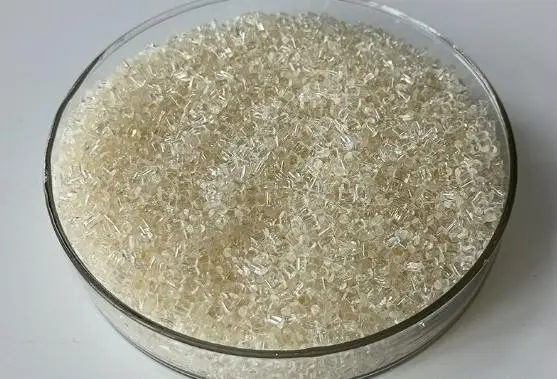
PPSU (Polyphenylsulfone)
PPSU is widely regarded as one of the highest-performance materials available for premium baby bottles.
Key Advantages
- Naturally BPA-free
- Extremely high heat resistance
- Resistant to repeated sterilization
- Excellent impact resistance
- Long service life
- Premium appearance with amber-gold transparency
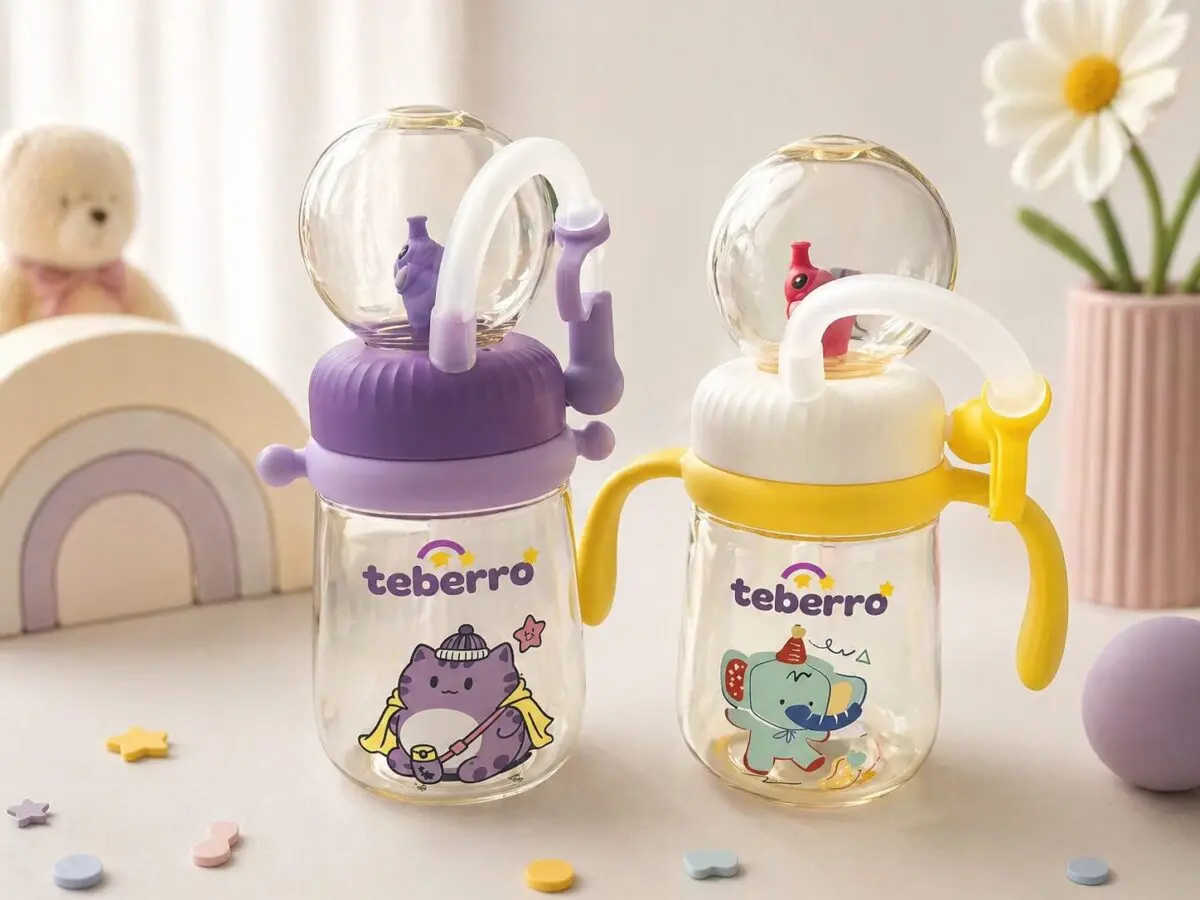
PPSU bottles are commonly chosen by premium baby brands, specialty retailers, and parents seeking long-term durability.
Best For
- Premium baby product brands
- High-end retail channels
- Long-term use products
- OEM/ODM customization projects
Tritan™
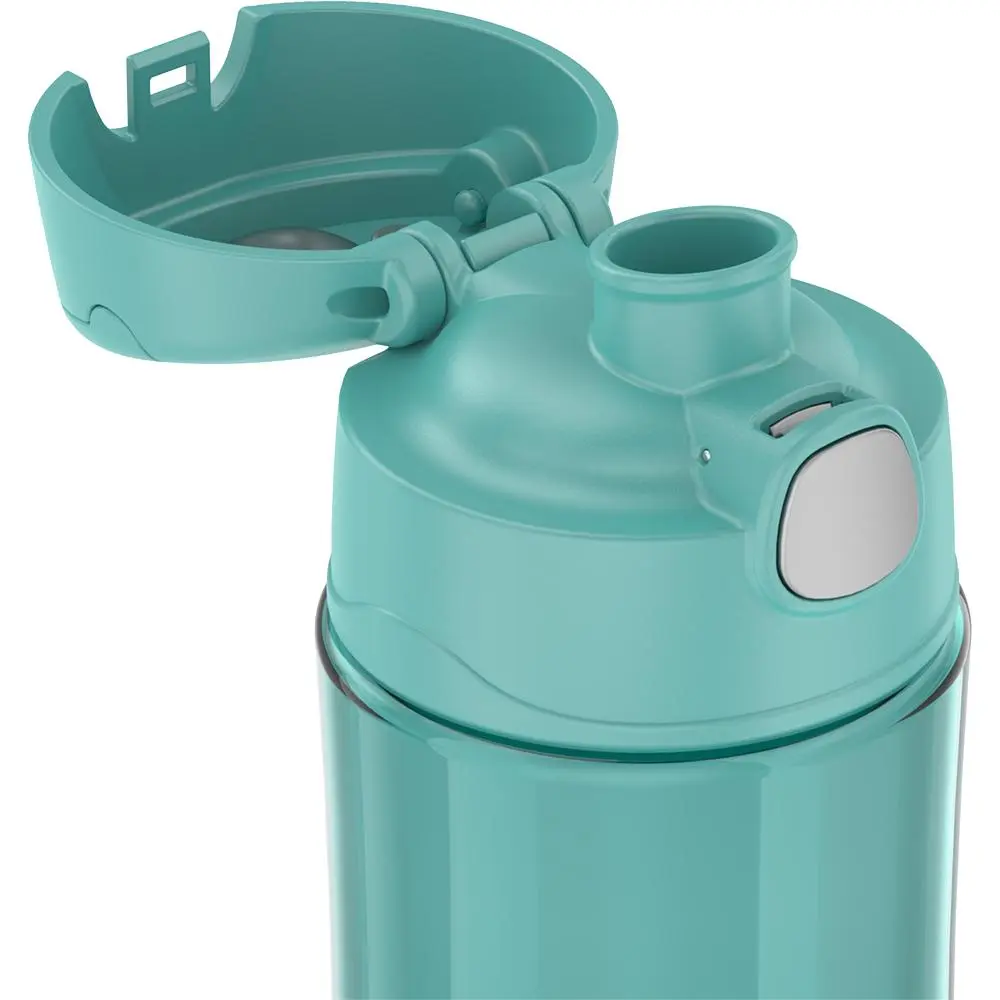
Tritan is a transparent copolyester known for its glass-like appearance.
Key Advantages
- BPA-free
- Crystal-clear transparency
- Lightweight
- Good impact resistance
- Modern appearance
Tritan bottles are often marketed as an alternative to glass because they provide excellent visibility while remaining lightweight.
Limitations
- Lower heat resistance than PPSU
- Repeated high-temperature sterilization may shorten product lifespan
- Generally positioned in the mid-range market
Best For
- Mid-range baby brands
- Retail-focused product lines
- Parents who prefer clear bottles

PP (Polypropylene)
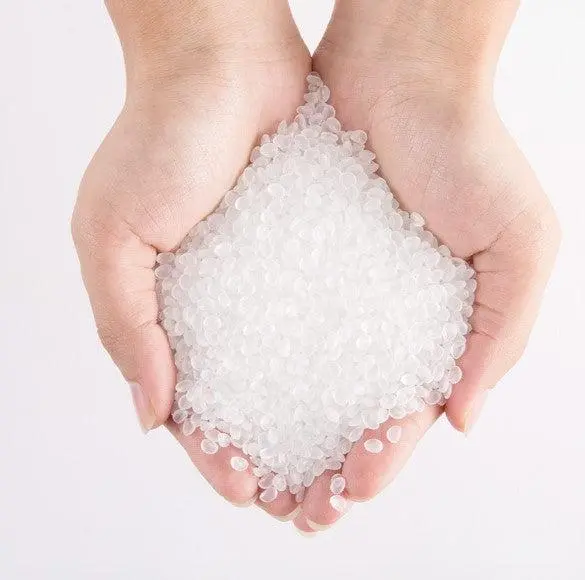
PP remains one of the most widely used materials in baby feeding products worldwide.
Key Advantages
- BPA-free
- Lightweight
- Cost-effective
- Easy to manufacture
- Suitable for large-volume production
Because of its affordability, PP is often the preferred choice for promotional programs, entry-level product lines, and price-sensitive markets.
Limitations
- Lower heat resistance than PPSU
- Shorter lifespan under frequent sterilization
- May become less transparent over time
Best For
- Budget-friendly product ranges
- High-volume wholesale orders
- Emerging markets
- Promotional baby products
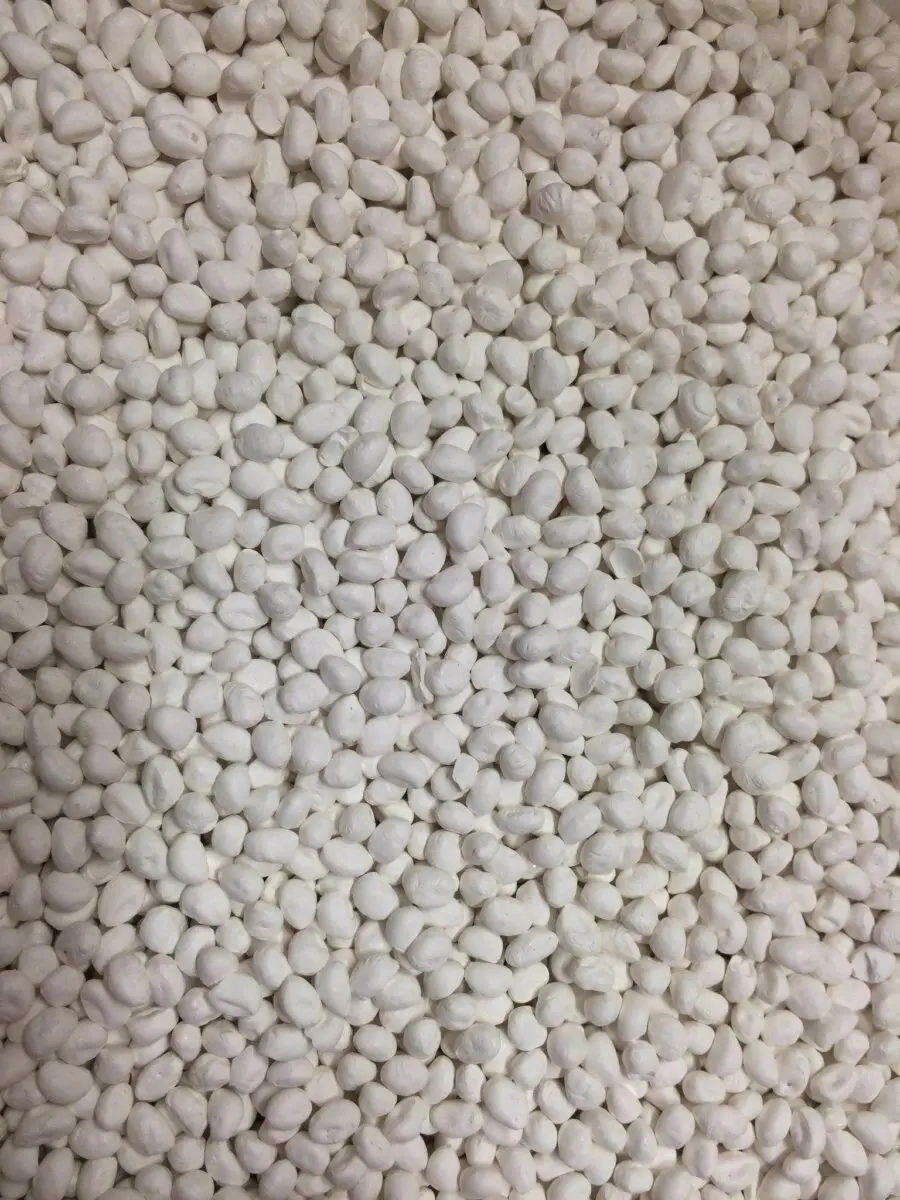
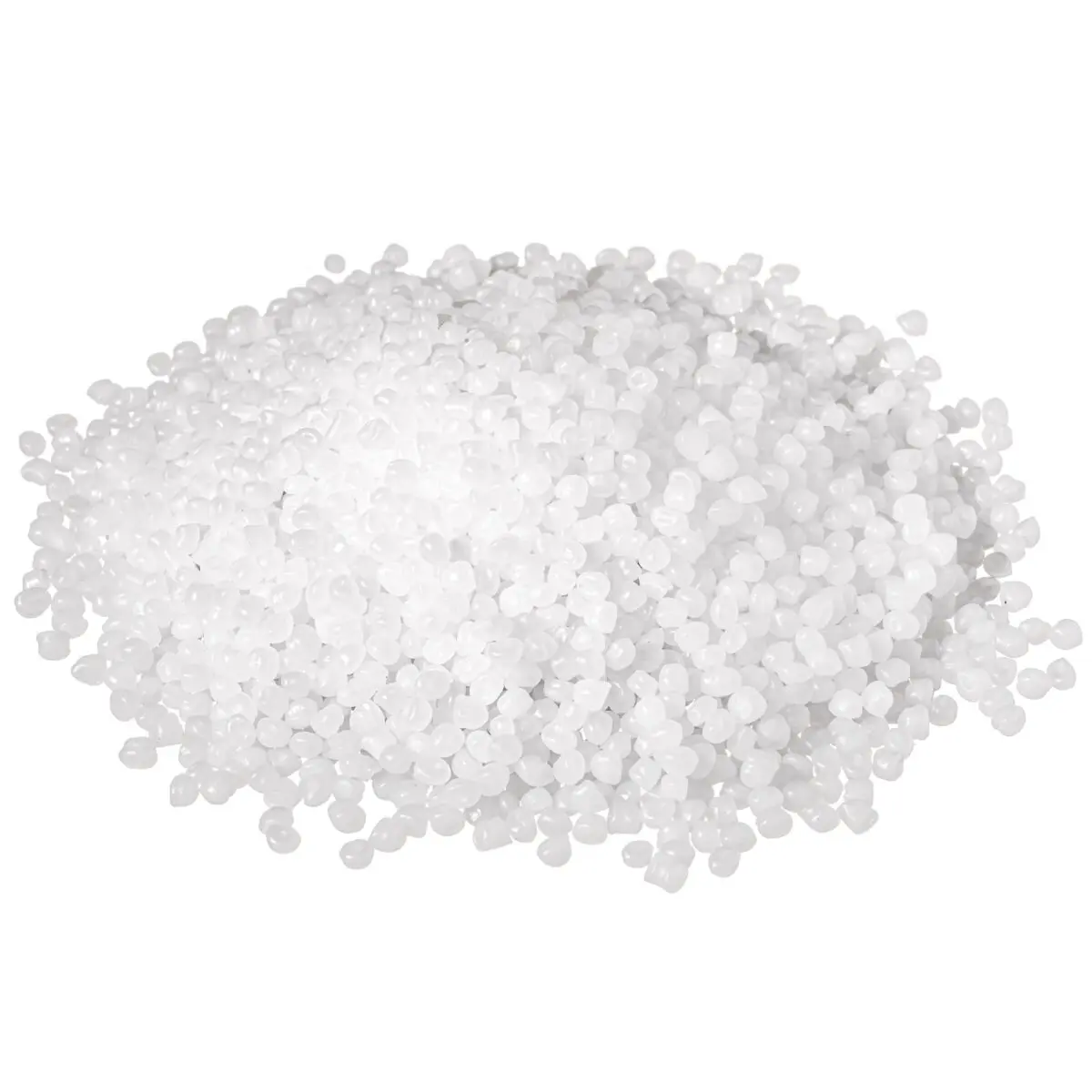
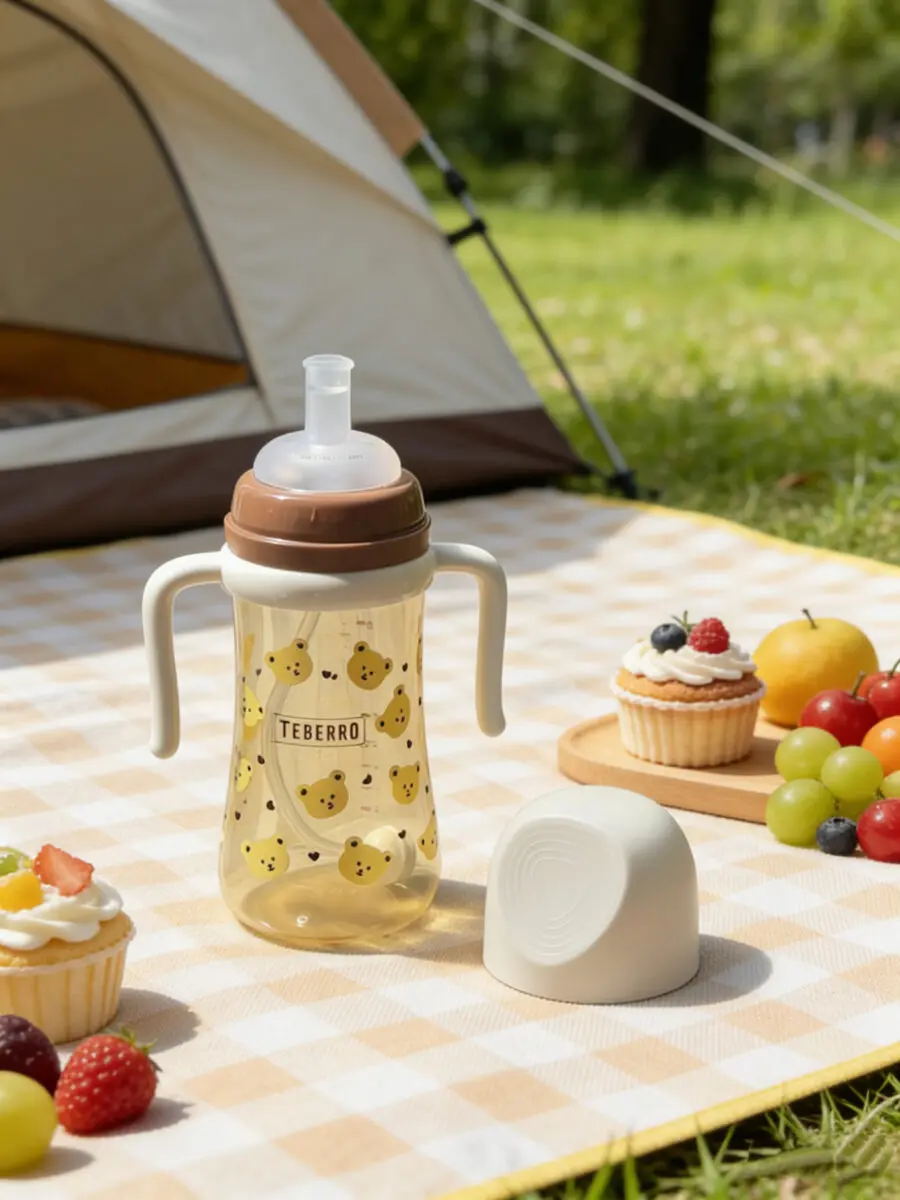
PPSU vs Tritan vs PP: Material Comparison for Wholesale Buyers
| Feature | PPSU | Tritan | PP |
| BPA-Free | Yes | Yes | Yes |
| Heat Resistance | Excellent | Good | Good |
| Steam Sterilization | Excellent | Moderate | Moderate |
| Durability | Excellent | Good | Good |
| Impact Resistance | Excellent | Good | Good |
| Service Life | Longest | Medium | Medium |
| Transparency | Amber Transparent | Crystal Clear | Semi-Transparent |
| Premium Positioning | High | Medium | Entry-Level |
| Cost | Highest | Medium | Lowest |
Heat Resistance Comparison
One of the biggest concerns for parents is whether baby bottles can withstand repeated sterilization.
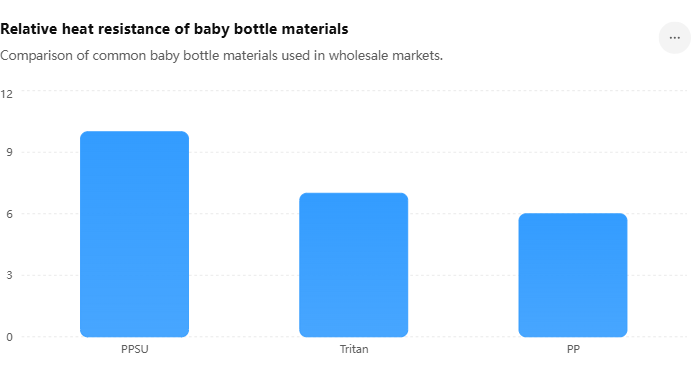
For distributors targeting premium markets, PPSU often provides the strongest value proposition because parents frequently associate repeated sterilization capability with product quality.
Compliance and Safety Certifications Buyers Should Verify
When evaluating safe baby bottle materials for wholesale, material choice is only one part of the equation.
Bulk buyers should also verify:
Material Testing
- BPA-free compliance
- Food-contact safety testing
- Heavy metal testing
- Migration testing
Market-Specific Regulations
For exports, manufacturers should support compliance with regulations in:
- U.S. Food and Drug Administration (FDA)
- European Commission food-contact standards
- Consumer Product Safety Commission requirements where applicable
Factory Qualifications
Buyers should request:
- Factory audit reports
- Quality control procedures
- Production capacity information
- Testing reports
- OEM/ODM experience
Which Material Should Wholesale Buyers Choose?
Choose PPSU If:
✓ You sell premium baby products
✓ Your customers value durability
✓ You need bottles that withstand frequent sterilization
✓ You are building a higher-margin private-label brand
Choose Tritan If:
✓ You want crystal-clear bottle appearance
✓ Your market prefers modern aesthetics
✓ You need a balance between cost and premium positioning
Choose PP If:
✓ Price competitiveness is critical
✓ You serve mass-market retailers
✓ You need large-volume orders
✓ You target developing or highly price-sensitive markets
Our Recommendation for Importers and Distributors
In today’s baby feeding market, many successful distributors operate a dual-product strategy:
Premium Line
- PPSU baby bottles
- Higher margins
- Better durability
- Stronger branding opportunities
Volume Line
- PP baby bottles
- Competitive pricing
- Faster market penetration
- High-volume wholesale sales
This combination allows wholesalers to cover both premium and entry-level consumer segments while maximizing overall sales potential.
Looking for a Reliable Baby Bottle Manufacturer?
As an experienced OEM/ODM baby feeding products manufacturer, we specialize in:
- PPSU baby bottles
- PP baby bottles
- Straw cups
- Sippy cups
- Baby tableware
- Custom logo printing
- Packaging design
- Private label solutions
Whether you are launching a premium PPSU bottle collection or sourcing cost-effective PP bottles for large retail programs, our team can support low-MOQ development and bulk production needs.
[👉 Watch our baby bottle production process on YouTube]
Final Thoughts
When comparing PPSU vs Tritan vs PP for baby feeding, there is no single material that fits every market.
- PPSU offers the highest durability and premium positioning.
- Tritan delivers excellent transparency and balanced performance.
- PP remains the most economical choice for large-volume wholesale programs.
For most distributors, combining premium PPSU products with affordable PP options creates the strongest product portfolio and allows brands to serve a wider range of customers while maintaining healthy margins.